

Discover 12 freelancing skills you can learn online, build a portfolio, find clients, and start your freelance career from anywhere.
Freelancing has never been more accessible. With nothing more than an internet connection and a willingness to learn, you can now build a marketable skill from home and start offering it to clients anywhere in the world. But there’s a common mistake that trips up a lot of beginners: trying to “become a freelancer” without first choosing something specific to offer.
Freelancing isn’t a skill in itself—it’s a way of working. What actually gets you paid is a concrete, marketable ability that solves a real problem for a real client. Someone who says “I want to freelance” has no clear offer. Someone who says “I write SEO blog posts for SaaS companies” has something clients can hire immediately.
This guide walks through 12 freelancing skills to learn online, how to realistically build each one, and how to turn that skill into your first paying clients. It’s written for people who are starting from zero—no assumed experience, no unrealistic promises, just a practical path forward.
What Are the Best Freelancing Skills to Learn Online?

The best freelancing skills to learn online are ones that combine steady market demand with a manageable learning curve — things like content writing, graphic design, video editing, virtual assistance, and web design. These skills require no formal degree, can be learned through free or low-cost online resources, and let beginners start building a portfolio within weeks rather than years.
That said, “best” depends on you. The right skill is the one that matches your interests, your available time, and the type of work you actually want to do long-term.
How to Choose the Right Freelancing Skill
Before committing time to learning a new skill, weigh it against a few practical factors:
- Existing interests and strengths
- Market demand
- Learning curve
- Earning potential
- Competition
- Portfolio opportunities
- Long-term career potential
No single skill scores perfectly on every factor. The goal is finding one that’s a strong enough match to keep you motivated through the early, unpaid learning phase.
12 Freelancing Skills You Can Learn Online

1. SEO Content Writing
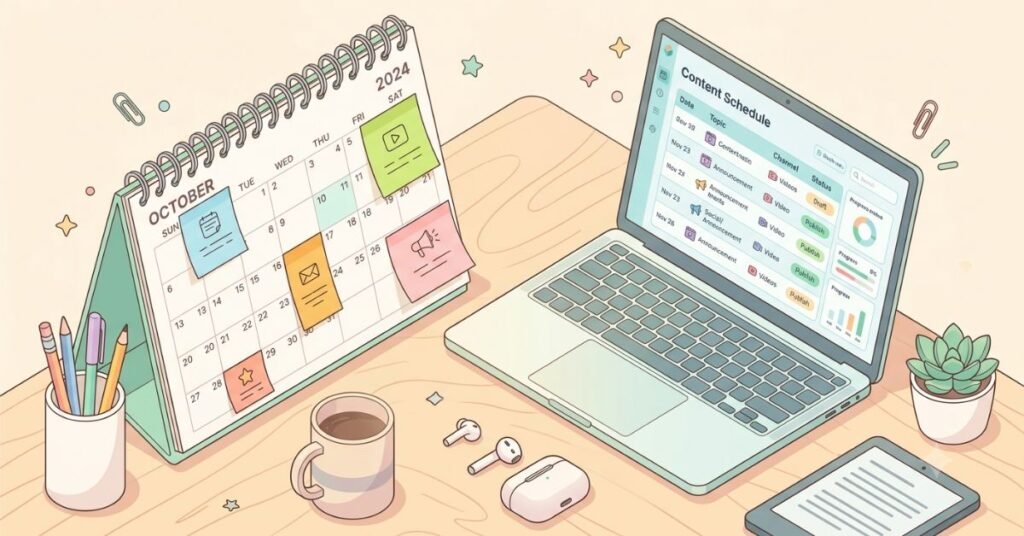
SEO content writing involves creating blog posts, website copy, and articles that are structured to rank in search engines while still being genuinely useful to readers. This includes basic keyword research, understanding on-page SEO (headings, meta descriptions, and internal linking), and increasingly, knowing how to use AI tools to speed up research and drafting without losing quality or originality.
blog writing, website copy, product descriptions, and SEO-optimized articles. anyone comfortable writing clearly in their target language; no technical background required. moderate—writing well is the easy part; understanding SEO structure takes more practice.
Write 3–5 sample articles on topics in a niche you’d like to work in, publish them on a free blog or Medium, and structure them the way a real client brief would require.
marketing agencies, SaaS companies, e-commerce brands, blogs, and content-driven businesses of all sizes. freelance marketplaces, direct outreach to small business blogs that haven’t been updated recently, and content agencies looking for reliable writers.
2. Graphic Design
Graphic design covers the visual assets businesses use across marketing and branding — social media graphics, banners, presentation decks, thumbnails, and basic brand identity work like logos and color palettes.
social media post design, YouTube thumbnails, pitch decks, simple brand kits.
visually inclined beginners; a foundation in design tools like Canva or Adobe products helps but isn’t mandatory at the start.
moderate—tools are easy to pick up, but developing a good eye for layout and typography takes time.
redesign existing brands as practice projects, create a set of social media templates for a fictional business, and present before/after comparisons.
social media agencies, e-commerce brands, content creators, and small businesses without in-house design teams.
design-focused marketplaces, Instagram outreach to small brands with weak visuals, local business networking.
3. Social Media Management
Social media managers handle a brand’s presence across platforms—planning and scheduling content, responding to comments and messages, tracking engagement, and adjusting strategy based on what’s performing.
content calendars, post scheduling, community management, and monthly performance reports.
organized, communicative people who understand how different platforms function.
low to moderate—the tools are simple, but developing a real strategic sense takes longer.
Manage a personal or friend’s business account for a few months and document engagement growth as a case study.
local businesses, e-commerce brands, coaches and consultants, restaurants, and personal brands.
local business outreach, referrals from small business owners, and freelance marketplaces.
4. Video Editing
Video editors take raw footage and turn it into polished content—YouTube videos, short-form clips for TikTok and Reels, and promotional videos. This includes trimming, adding captions and transitions, color correction basics, and understanding pacing for storytelling.
YouTube video editing, short-form content repurposing, and promotional and ad videos.
people comfortable with software workflows and an eye for pacing and rhythm.
moderate—editing software has a learning curve, but tutorials make the basics accessible quickly.
Edit raw footage from free stock video sites into a polished sample reel, or offer to edit content for a creator in exchange for a testimonial.
YouTubers, content creators, marketing agencies, course creators, and businesses building a social media presence.
creator communities, freelance marketplaces, and direct outreach to small YouTube channels that post inconsistently.
5. Web Design
Web design involves building functional, visually clean websites—often landing pages or small business sites — using platforms like WordPress or website builders, along with a basic understanding of layout, responsiveness, and user experience.
landing pages, small business websites, WordPress site builds, website refreshes.
people comfortable with visual layout tools; coding knowledge helps but isn’t required for many entry points.
moderate to high, depending on the platform and how custom the work needs to be.
Build 2–3 mock websites for fictional businesses in different industries, focusing on clarity and mobile responsiveness.
small businesses, local service providers, startups, and and personal brands.
local businesses without a modern website, freelance marketplaces, referrals from web design communities.
6. Digital Marketing
Digital marketing is broader than any single skill—it covers SEO, paid advertising, email marketing, content strategy, and analytics. Freelancers often specialize in one or two areas rather than trying to master all of them at once.
ad campaign management, SEO audits, content strategy, and marketing analytics reporting.
analytically minded people comfortable interpreting data and adjusting strategy.
moderate to high, since it combines multiple sub-skills.
run a small ad campaign or SEO project for a personal or test business and document the results as a case study.
agencies, e-commerce brands, SaaS companies, and small businesses without in-house marketing teams.
marketing agency subcontracting, freelance marketplaces, direct outreach with a specific, data-backed pitch.
7. Virtual Assistance
Virtual assistants provide remote administrative and operational support — managing email inboxes, scheduling, research, data organization, and basic customer support tasks.
Inbox management, calendar scheduling, data entry, research tasks, and customer service.
organized, detail-oriented people who communicate reliably and follow instructions closely.
low — most of the skill comes from reliability and organization rather than technical training.
Document your own organizational systems (like how you manage a calendar or inbox) as a demonstration of your process.
solopreneurs, coaches, small business owners, and busy executives.
VA-focused marketplaces, referrals, and LinkedIn outreach to small business owners who mention being overwhelmed.
8. Email Marketing
Email marketing freelancers build and manage newsletters and campaigns—writing copy, setting up automation sequences, segmenting audiences, and tracking open and click-through rates.
newsletter writing, welcome sequences, promotional campaigns, and list segmentation strategy.
people comfortable writing persuasively and working with marketing platforms like Mailchimp or Klaviyo.
moderate—the writing is approachable, but understanding automation logic takes practice.
write a sample welcome sequence and a promotional campaign for a fictional brand, showing the full flow from first email to conversion.
e-commerce brands, SaaS companies, content creators, coaches, and consultants.
freelance marketplaces, agency subcontracting, direct outreach to brands with inactive or outdated email lists.
9. Copywriting
Copywriting is persuasive, conversion-focused writing—sales pages, ads, product descriptions, and email copy designed specifically to drive an action, as distinct from the more informational focus of content writing.
sales pages, ad copy, product descriptions, landing page copy, email sequences.
people who enjoy writing persuasively and studying what makes messaging effective.
moderate to high—the fundamentals are learnable quickly, but strong persuasive writing takes deliberate practice.
rewrite existing ads or sales pages from real brands as spec projects, clearly labeled as practice work.
e-commerce, SaaS companies, agencies, course creators, and direct-response marketers.
copywriting-focused communities, cold outreach with a rewritten sample of the client’s existing copy, freelance marketplaces.
10. Data Analysis
Data analysis freelancers help businesses make sense of their numbers — cleaning messy spreadsheets, building dashboards, creating reports, and visualizing trends in a way non-technical stakeholders can understand.
Typical freelance services: spreadsheet cleanup, dashboard creation, monthly reporting, basic data visualization.
Who can learn it: detail-oriented, logical thinkers comfortable with tools like Excel, Google Sheets, or basic SQL.
Beginner learning curve: moderate — spreadsheet skills are accessible, but building genuinely useful dashboards takes more practice.
Building a portfolio: find a public dataset online and turn it into a clean, visualized report as a sample project.
Where it’s used: e-commerce brands, marketing teams, small businesses tracking performance metrics.
Finding first clients: freelance marketplaces, referrals from small business owners overwhelmed by their own data, LinkedIn outreach.
11. UX/UI Design
UX/UI design focuses on how digital products look and function — user research, wireframing, interface design, prototyping, and ensuring a product is easy and intuitive to use.
Typical freelance services: app or website wireframes, interface redesigns, prototypes, usability reviews.
Who can learn it: visually and analytically minded people interested in how people interact with technology.
Beginner learning curve: high — this is one of the more technical skills on this list, often requiring dedicated coursework.
Building a portfolio: redesign an existing app or website as a case study, walking through your research, wireframes, and final design decisions.
Where it’s used: startups, SaaS companies, app developers, product teams.
Finding first clients: design-focused marketplaces and communities, direct outreach to early-stage startups, referrals from design communities.
12. AI & Prompt Engineering
This emerging skill involves designing effective workflows using AI tools — writing prompts that reliably produce useful output, automating repetitive business processes, and helping businesses use AI responsibly and effectively rather than just experimentally.
Typical freelance services: AI-assisted content workflows, prompt libraries for specific business tasks, process automation consulting.
Who can learn it: curious, detail-oriented people willing to experiment and document what actually works.
Beginner learning curve: moderate — the tools are accessible, but developing reliable, repeatable workflows takes structured practice.
Building a portfolio: document a specific business process you’ve automated or improved using AI tools, showing the before-and-after difference.
Where it’s used: agencies, startups, content teams, operations-heavy small businesses looking to save time.
Finding first clients: freelance marketplaces, LinkedIn content showcasing specific use cases, direct outreach to businesses still doing repetitive tasks manually.
Which Freelancing Skill Is Best for Beginners?
There’s no single “best” skill — it depends on your starting point. Here’s a general comparison to help you decide:
- Lowest learning difficulty
- Lowest startup cost
- Fastest portfolio building
- Highest long-term specialization potential
- Most consistent client demand
It’s worth being clear-eyed here: learning a skill and earning consistently from it are two different milestones, and the gap between them depends on your effort, niche, and how well you present your work — not just which skill you pick. There are no guaranteed income outcomes with any of these paths.
How to Learn a Freelancing Skill Online
- Choose one skill.
- Learn the fundamentals.
- Practice consistently.
- Complete sample projects.
- Build a portfolio.
- Create a professional profile..
- Start targeted outreach.
- Collect testimonials and improve your services.
How to Build a Freelance Portfolio Without Clients
You don’t need paid client work to start building proof of your skills. Try these approaches:
- Spec projects
- Personal projects
- Case studies
- Before-and-after examples
- Mock client projects
- Niche-specific samples
A handful of strong, focused samples will do more for you than a large volume of generic work.
How to Get Your First Freelance Client
Getting your first client is usually the hardest part — after that, momentum and referrals make things easier. A few reliable paths:
- Freelance marketplaces
- LinkedIn outreach
- Cold email
- Networking
- Facebook and professional communities
- Personal branding
- Referrals
Whatever channel you use, personalized proposals consistently outperform generic ones. A message that references the client’s specific business and proposes a specific solution will always beat a copy-pasted pitch.
How Can a Beginner Learn a Freelancing Skill and Start Earning?
- Pick one in-demand skill that matches your interests and available time
- Learn the fundamentals through free or affordable online resources
- Practice with real or simulated projects until you’re confident in the basics
- Build a small, focused portfolio showcasing your best work
- Set up a professional profile on relevant platforms
- Send personalized outreach to a targeted list of potential clients
- Deliver strong work on your first few projects and request testimonials
- Use feedback and results to refine your offer and gradually raise your rates
Common Freelancing Mistakes Beginners Should Avoid
- Learning too many skills at once,
- Copying other freelancers’ portfolios,
- Competing only on price,
- Making unrealistic income expectations
- Sending generic proposals,
- Ignoring communication,
- Failing to meet deadlines,
- Not building a niche,
- Depending entirely on one platform,
90-Day Freelancing Skill-Building Plan
Days 1–30: Learn fundamentals and practice Focus entirely on building core competence. Work through structured courses or tutorials, and practice with small, low-stakes exercises daily or several times a week.
Days 31–60: Build portfolio projects and improve your profile Shift from learning to producing. Create 3–5 strong sample projects, and use them to build out a simple portfolio and a professional profile on relevant platforms.
Days 61–90: Begin client outreach, submit targeted proposals, network, and refine your service Start reaching out to potential clients with personalized pitches. Use early feedback — even from proposals that don’t convert — to sharpen your offer, pricing, and messaging.
This timeline isn’t a guarantee of landing clients by day 90 — outcomes vary based on niche, effort, and market conditions — but it gives you a structured, realistic starting point rather than an open-ended goal.
Frequently Asked Questions
What is the easiest freelancing skill to learn?
Virtual assistance and social media management tend to have the lowest technical learning curve, since they rely more on organization and communication than specialized technical training.
Which freelancing skills are in demand?
Content writing, graphic design, virtual assistance, social media management, and increasingly AI-assisted workflows are consistently in demand across small businesses, agencies, and startups.
Can I learn freelancing skills for free?
Yes. Many platforms offer free tutorials, documentation, and beginner courses. Paid courses can accelerate learning, but they’re not required to build a solid foundation.
How long does it take to learn a freelance skill?
It varies by skill and effort, but most beginners can reach a baseline level of competence — enough to start building a portfolio — within a few weeks to a couple of months of consistent practice.
Can beginners make money freelancing?
Yes, but it typically takes time, consistent effort, and a genuinely useful portfolio. There are no guaranteed income outcomes, and early results often depend on how well you target your outreach and niche.
How do I get my first freelance client?
Combine a focused portfolio with personalized outreach — through marketplaces, LinkedIn, cold email, or networking — that speaks directly to a specific client’s needs rather than a generic pitch.
Pingback: Best AI Writing Assistants for Bloggers and Freelance Writers | empowerquesthub